
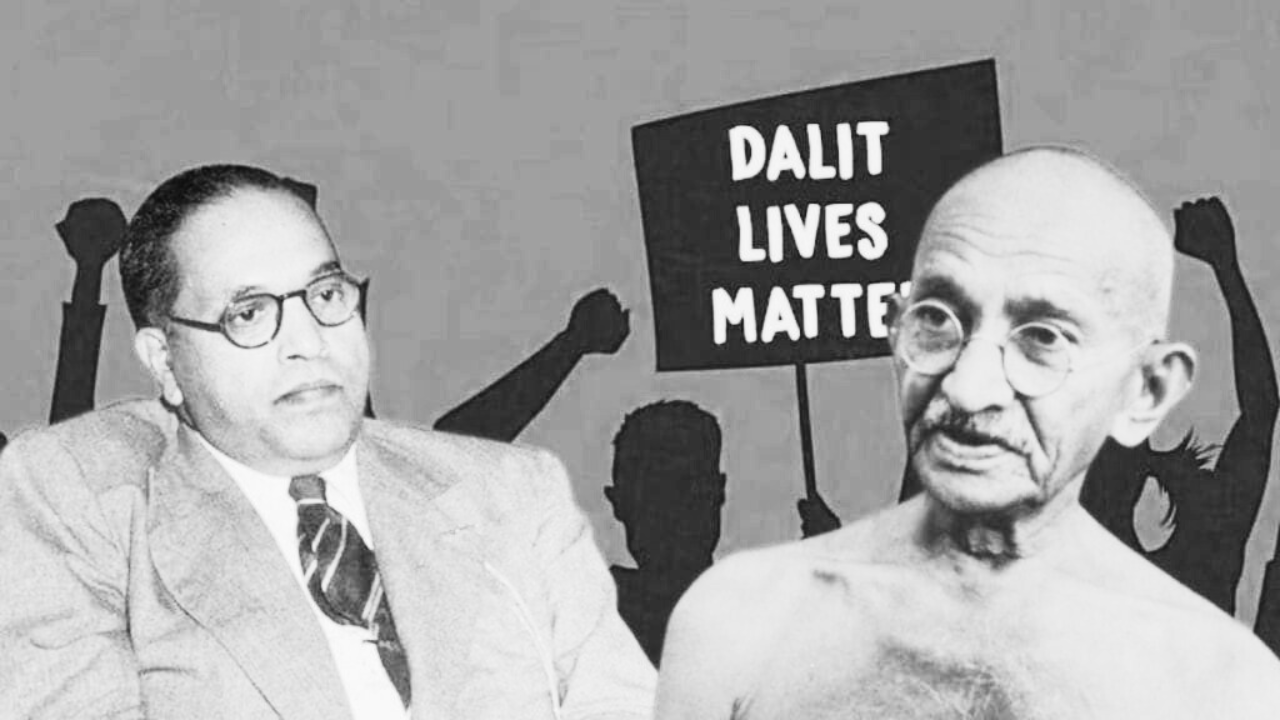
Ambedkar, Gandhi and Political Rights of the Depressed Class
In many ways, the ghost of Poona Pact has been haunting the Dalit-Bahujan politics in the post-independent India as well. It is high time that Shudra reimagine Bahujan politics by nurturing a society, which would be capable of choosing what is best for itself.
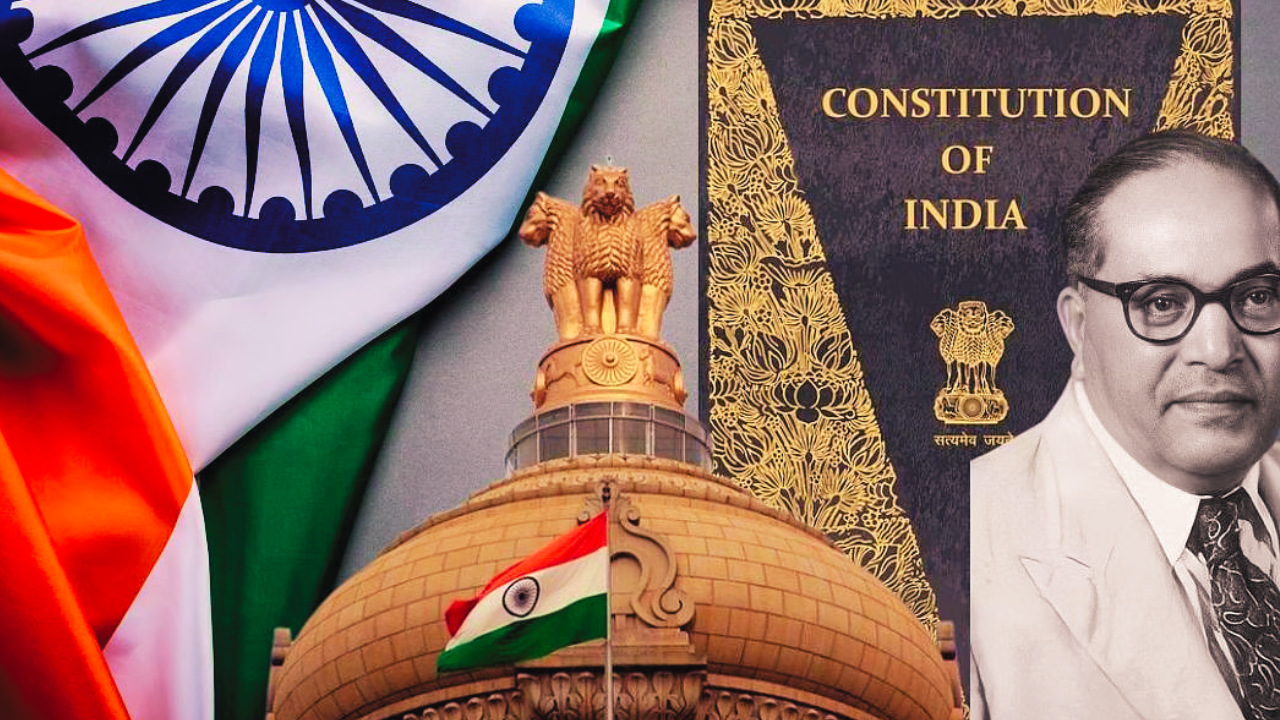
In his book Who Were the Shudras, Dr. Ambedkar rightly observed that the Shudras were considered untouchables according to the four-varna system of Hindu social order. After independence, they gained access to education, which had been denied to them for centuries. It was the result of Dr. Ambedkar’s relentless struggle that the untouchables were granted fundamental rights. Even today, many Shudras, now referred to as Other Backward Classes (OBCs) in the Republic of India, are benefiting from various forms of constitutional representation, largely based on his ideas. Later, during the tenure of V.P. Singh, 27 percent of seats were reserved in various sectors to represent those who had been severely oppressed and deprived of their constitutional rights. Given their numbers, this representation should have been proportional to their population. However, this too was part of another conspiracy against them. The backward castes were rendered ‘touchable’ due to their majority status, and were dragged into the fold of the Brahminical social order, where their services continued to be exploited by the twice-born castes. In the 20th century, social reformers like Jyotirao Phule and Periyar, who hailed from the Shudra community, challenged the caste-based society and demanded equal rights for all social groups.
After the revolution of Buddha, the varnashrama dharma had started waning; the Indian subcontinent had become the ardent followers of the lord Buddha. However, as Divyabandana notes, after the decline of Buddhism due to violent attacks from kings like Pushyamitra Sung, Mihirakula, Jalaku, and Bhatt, the vast Buddhist society was fragmented into touchable and untouchables. Dr. Ambedkar in his book ‘Who were the Shudras’ has argued that those who accepted Brahmanism in fear of execution became touchable Shudras, and those who remained strict to the practice of Buddhism became untouchables (Ati-Shudra, current SC/STs). During the Muslims rule over three centuries, some Shudras and Ati-shudras converted to Islam due to the continuous oppression and exploitations of twice-born castes. Some twice-born castes also converted to Islam in the pretext of getting jobs, securing high posts in Mughal empires. As per Islamic philosophy there should not be any caste system and everybody irrespective of their origin, colour, creed and work are equal. But the irony was that converted twice-born community could not get rid of their ancestral oppressive practices of untouchability and continued to impose it on lower caste converted Muslims.
This even did not stop here, but perpetuated and perpetrated in the British era. When the British took over India, similar pattern of practice of untouchability was further strengthened. Caste Hindus too converted to Christianity and held all high positions. When the historically oppressed converted, they again bear the brunt of discriminations in Christianity owing to their low born caste status. The caste discrimination and practice of untouchability, as Ambedkar had believed, continued in all the newly founded religion in India: “Caste is no doubt primarily the breath of the Hindus. But the Hindus have fouled the air all over and everybody is infected, Sikh, Muslim and Christian.”
During the British Raj, it was because of relentless struggle and persuasion of Dr. Ambedkar that the British had agreed to address the issue of caste and religion in representation in India. During the Round Table Conference, despite all political hurdles especially from Mr. Gandhi, Ambedkar successfully represented the Depressed Class of India. Consequently, ‘Communal Award’ was declared which extended the separate electorate to the Depressed Classes and other minorities. Since the Award favoured hitherto untouchables over the Hindu, it drew sever criticism from none but Mr. Gandhi. He accused the British Raj of creating distrust among Hindus.
He went on fast unto death to oppose the separate electorate for the Depressed Class for this had guaranteed double voting rights in electing their representatives. The major fear of Mr. Gandhi was that if the untouchables get political rights, they might overpower the twice-born castes and breakaway from the Hinduism. Mr Gandhi, the ardent believer of Varnashrama, went on saying that he would rather choose to sacrifice his life over the political rights of untouchables. This was the same Gandhi and the Congress that did not have any objection to the Lucknow Pact where Muslims got their due percentage of seats in all provincial legislatives.
While Gandhi had recognised the fact that ‘untouchability was sin on the Harijans’, but he was adamant on not giving political rights to untouchables. He even further went to the extent of saying that it is “in the interest of untouchables themselves I think it would be fatal for them to have a special electorate.” Moreover, he criticized Ambedkar for misleading the untouchables and claimed himself to be true messiah of untouchables: “I do not hesitate to say that, if the untouchables in all parts of India would record their votes, I should be their representative.” Mr. Gandhi also tried to poison the minds of Muslims at the Indian Majlis, while addressing them on 24th October 1931, that any attempts to provide separate representation through the separate electorate constituencies to the Untouchables was a work of Satan and it would be Satanic too. Gandhi went on hunger strike unto death and finally ended up forcing Dr. Ambedkar to sign the Poona Pact by not allowing to have separate electorate for the untouchables.
It was with the great difficulty that Babasaheb Ambedkar had struggled for the political rights of the Depressed Class. In Poona Pact, however, the Depressed Classes got more seats but their representation remained no longer real as other social groups were also allowed to vote for the reserved candidates. Because of this, the representatives from the Depressed classes have failed in representing the aspiration of the masses. In many ways, the ghost of Poona Pact has been haunting the Dalit-Bahujan politics in the post-independent India as well. It is high time that Shudra reimagine Bahujan politics by nurturing a society, which would be capable of choosing what is best for itself.
(L R Mallick is an academia, based in Odisha)

Leave a Reply