
Tol (Mahua) Seeds: The Lifeline of Adivasis in Malkangiri
In Odisha, while there has been a unique effort to transform the governance model by making it directly peoples centric through initiatives like “Mo Sarkar”, the Adivasi of remote areas of Malkangiri district continue to face serious challenges in securing basic income.
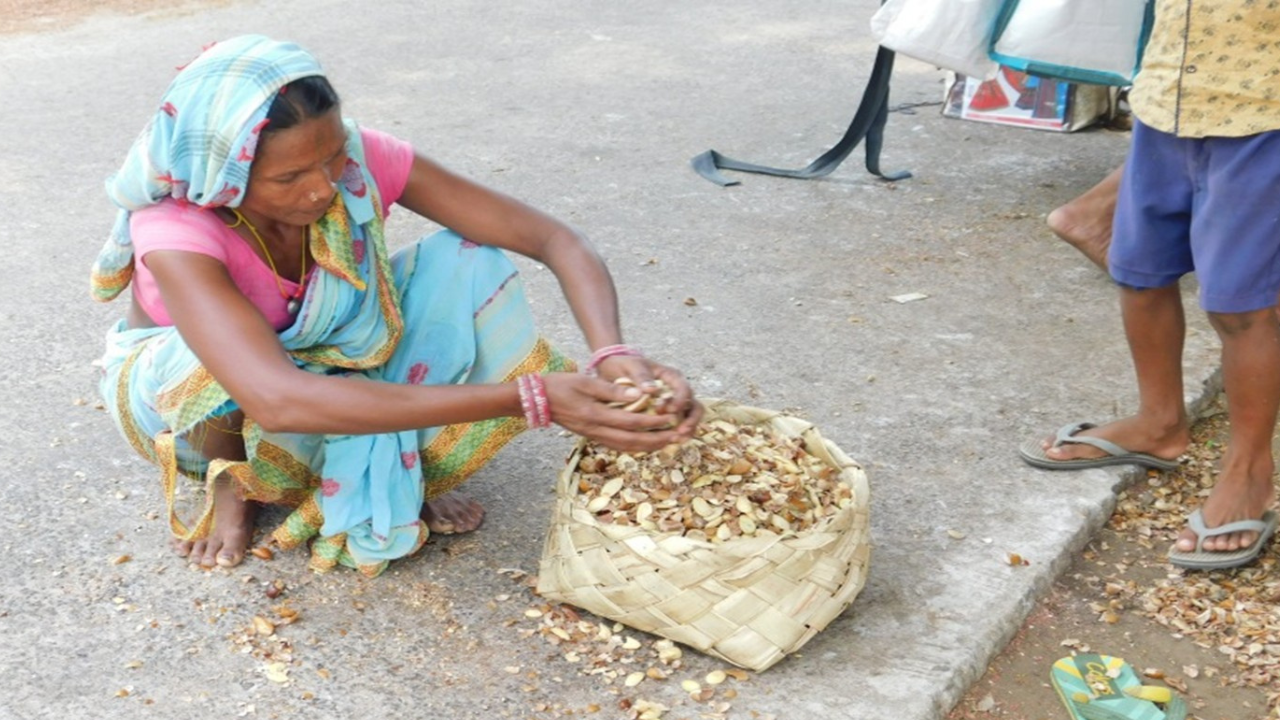
In Odisha, while there has been a unique effort to transform the governance model by making it directly peoples centric through initiatives like “Mo Sarkar”, the Adivasi of remote areas of Malkangiri district continue to face serious challenges in securing basic income. Their main source of livelihood comes from forest products. They collect forest products like mahua, kendu leaf, tol seeds, bambu, kanda, palua, jhuna and hani etc., and sell these products to the nearest market to sustain their family. Each month they collect some forest products for their own use and rest they sell in the market. With the commencement of the month of June up to end of July they move to the forest to collect the tol seeds. Early in the morning, after taking mandia (millet), they set out to the forest to collect the tol seeds. After collection of tol it is placed in a corner of the house; all the family members collectively break the tol and take the seeds.
Three to four days seeds are put into sun to dry and then it is broken by rasping on the stone before it is taken to the market. The market price of tol seed is not more than ten rupees per kilogram. The Government has not fixed any rate yet. Villagers said that, middleman purchase the tol with a very low cost and sell them with a high cost in the neighboring states of Andhra Pradesh and Chhattisgarh. Lali Madkami, Sarpanch of Tandabai Panchyat, and Sita Khora another woman of the same village informed that “tol seeds not only use for edible oil, besides that we use this oil to protect from iron contamination of groundwater in the region. If we have a bath, the water sticks to our hair, they said.” However, water was never an election issue in the state assembly election nor general election in 2019. Not a single poster on safe drinking water had been found in Malkangiri town or rest area of the constituency.
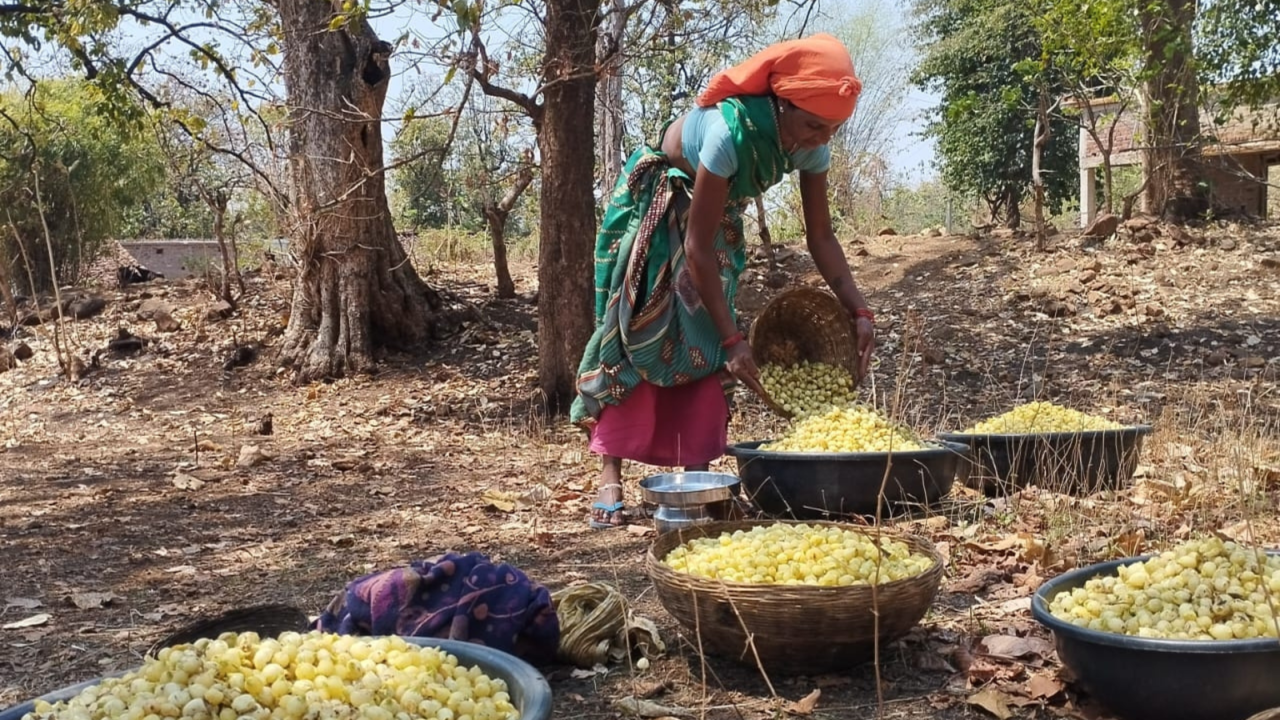
Earlier, Adivasi used to eke their livelihood by selling Mahua flowers but now tol seeds has also become a main source of income. It is said that more than 1000 quintal of tol seeds are transacted to other state from Malkangiri, but Adivasi people do not get any profit from such trade, said Muke Madhi, a village headman. Manju Khil, a mother to three children in her 50s, of a remote village of Murganpalli village, 76 km form the Malkangiri District Headquarter, said “the middlemen got the license from the Panchayat but like every year this year the Panchayat has not fixed the price. Therefore, they are forced to sell the tol seeds (mahua) to the middlemen at far low rate.” She has urged the authority to interfere in this tol market to control and regulate the price. These two months only we can earn from the tol seeds and it is our life line, it will help us if authority will procure the tol seeds form us, she urged.
Credit: https://www.linkedin.com/pulse/supporting-sustainable-livelihoods-udyogini-empowers-women
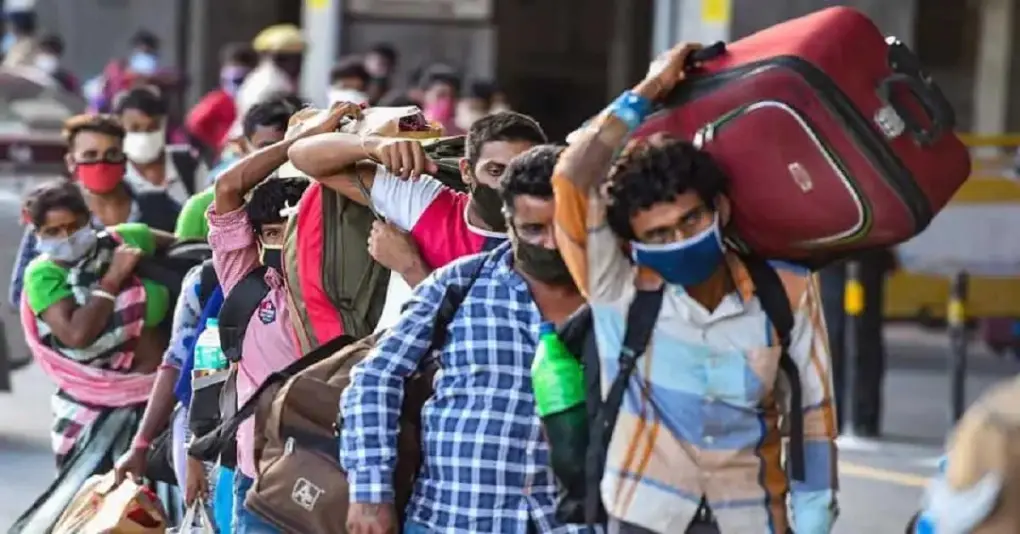
Anju Vati, in her early 50s, lives three kilometers away from the village panchayat. She said that, last year she had sold the tol seeds through the panchayat to traders but this year middleman came directly to them and purchased tol seeds with their cartel rate and they sell it out to other state and they earned more. Balabhadra Vati, a young boy from remote Udyagari village 80 km from Malkangiri District Headquarter, who works as migrant labor said that, in the financial year of 2017-18 they sold around 8 quintal tol seeds, in 2018-19 sold 11 quintal and in 2019-20 they sold around 13 to 14 quintals. He informed that, even though there are few private oil mills in the district but technically they are not decent enough to produce good quality of oil which can be sold in the market. He urged the Government to take a step to start an oil mill in this district so that local people can also get employment benefits.
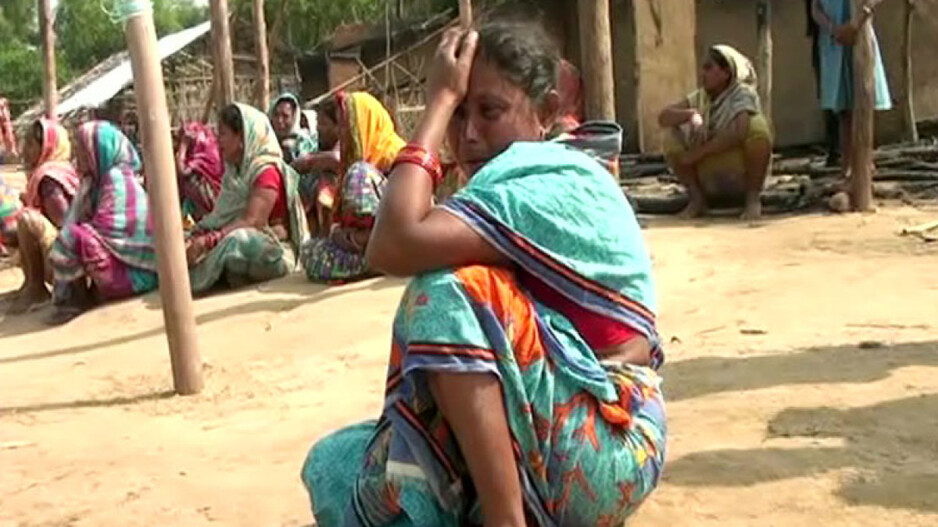
It has been reported that Samual and his friend Barun Majhi from M.V.71 village traveled to Andhra Pradesh to work for a construction company. On May 29th, while working on the roof at night, Samual fell. His coworkers rushed him to the nearest hospital, where doctors declared him dead. On Friday, his funeral was held under a grave atmosphere in his village. He is survived by two daughters and one son. As the sole breadwinner of his family, his parents have been left devastated by his death. Villagers have demanded assistance from the district administration.
Somi Dula, a 25-year-old woman, said, “it is our lifeline, a major source of income for the entire year.” She added that during this season, the whole family collects tol seeds because, for the rest of the year, they have no other income except from Mohua flowers. “My husband migrates to other states for work, but during this season, he returns home to help us collect tol seeds. We sell them to middlemen who come to our village and buy them for ₹15 per kilogram.”
Lali Madmaki, the sarpanch of Tandabai Panchayat, stated that villagers have no alternative means to sell their produce. She added: Even if we take the seeds to the weekly market, we still have to sell them to middlemen or local oil millers for ₹12 per kilogram, including transportation costs. Meanwhile, the same middlemen collect the seeds directly from villagers’ homes for ₹15 per kilogram. The villagers have urged the district administration to set up a seasonal market for selling tol seeds.
The Tribal Development Cooperative Corporation of Odisha Ltd. (TDCCOL), an apex cooperative under the Department of ST and SC Development, Government of Odisha, has informed that between 2019 and 2020, TDCC fixed the price of tol seeds at ₹26 per kilogram. Furthermore, it was stated that TDCC procured tol seeds from only a few districts, namely, Bolangir, Kalahandi, Sambalpur, and other districts of Western Odisha, leaving Adivasi and forest dwellers communities of South Odisha in lurch. It is imperative that the government takes appropriate steps to ensure that communities dependent on forest products receive their rightful dues.
(Pradipta Haldar is a freelance journalist. He can be reached at pradipta.haldar@gmail.com)


Leave a Reply